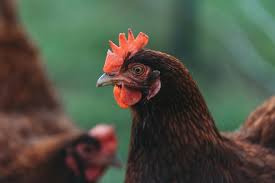
The Rhode Island Red was developed in the mid-1800s in the towns of Little Compton and Adamsville, Rhode Island, as well as southeastern Massachusetts. Farmers aimed to create a chicken that could perform well in the harsh New England climate while being productive on small farms.
To achieve this, they crossbred several chicken breeds, including:
- Malay: Provided the striking deep red plumage and robust frame.
- Red Java: Contributed to the rich mahogany feathering and strong dual-purpose qualities.
- Cochin: Brought docility and cold tolerance.
- Leghorn: Added exceptional egg-laying capabilities.
- Shanghai Fowl (Asiatic Breeds): Enhanced size, durability, and adaptability.
By selectively breeding for egg production, meat quality, and resilience, farmers developed a breed capable of laying up to 250–300 brown eggs annually while maintaining excellent foraging skills and hardiness.
The breed gained official recognition in 1904 when the American Poultry Association (APA) added the Rhode Island Red to its Standard of Perfection. This recognition cemented its reputation as one of the most reliable and popular dual-purpose breeds in the United States.
The Creation of the Bantam Rhode Island Red
As backyard chicken keeping grew in popularity in the early 20th century, so did the demand for smaller, more manageable breeds. In response, breeders began developing bantam (miniature) versions of popular chickens, including the Rhode Island Red.
The bantam Rhode Island Red was carefully bred to retain all the traits of its larger counterpart—rich mahogany plumage, high egg production, and hardiness—but in a smaller, more space-efficient package. Bantam Rhode Island Reds weigh only about 2–2.5 pounds, compared to the 6–8 pounds of the standard variety, making them ideal for hobbyists with limited space.
Bantam Rhode Island Reds were officially recognized by the APA in 1925, earning a place in the poultry community as a versatile, ornamental, and productive bird. These pint-sized versions maintain the same calm temperament and adaptability, making them a favorite for urban farmers, poultry shows, and backyard enthusiasts.
Traits That Define the Breed
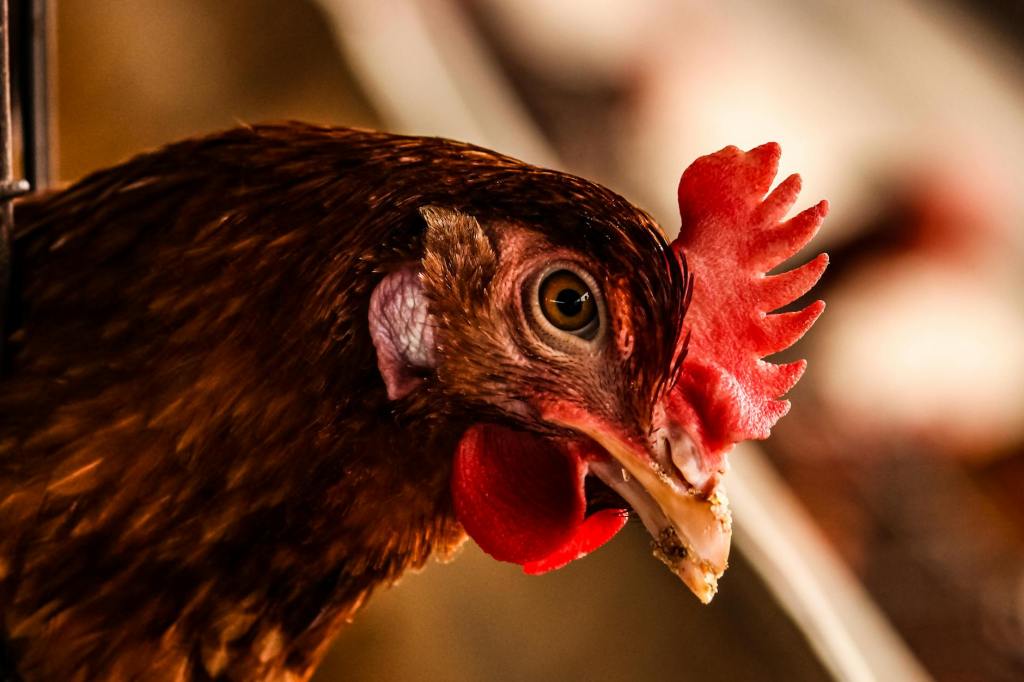
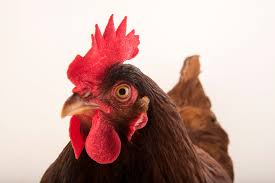
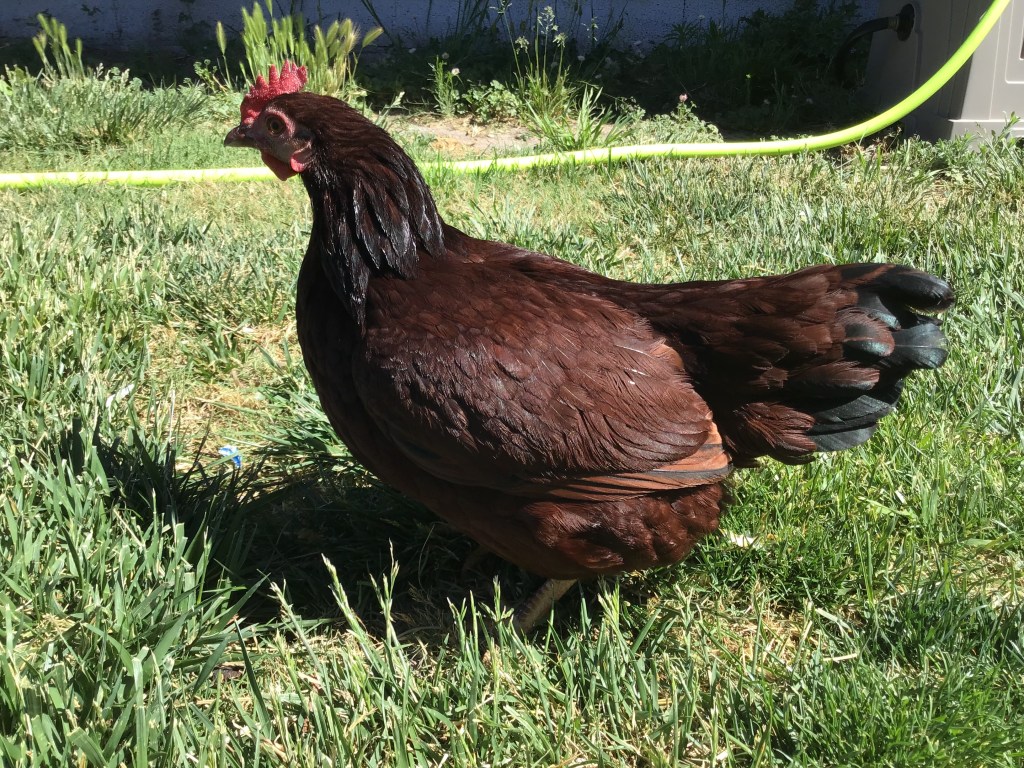
Both standard and bantam Rhode Island Reds are characterized by their vibrant, deep red plumage, which can have a glossy sheen. They are known for their hardiness, thriving in various climates, including cold regions. Their small single or rose combs help reduce the risk of frostbite in winter.
Hens are prolific layers, while roosters are typically confident and protective of the flock. Bantam Rhode Island Reds, despite their smaller size, share these same qualities, proving that good things truly come in small packages.
Preservation of the Breed
The rise of industrial farming in the 20th century led to a decline in the popularity of heritage breeds like the Rhode Island Red. Many small farms opted for hybrid breeds designed for factory-style production, threatening the genetic diversity of traditional breeds.
Fortunately, dedicated breeders and enthusiasts have worked to preserve both the standard and bantam varieties of Rhode Island Reds. Today, these birds are prized not only for their historical significance but also for their role in sustainable agriculture and backyard farming.
Conclusion
The Rhode Island Red’s development is a story of ingenuity and dedication, combining traits from multiple breeds to create one of the most versatile and enduring chickens in the world. The bantam variety adds to this legacy, offering a compact version of the breed that retains all its hallmark qualities. From its humble beginnings in New England to its recognition as a global poultry icon, the Rhode Island Red continues to thrive as a testament to the art of selective breeding and the resilience of heritage livestock.
By embracing and celebrating both the standard and bantam Rhode Island Reds, we ensure that this remarkable breed remains a vibrant part of agricultural and backyard traditions for generations to come.
 Your Rhode Island Red
Leave a comment