Author: Benton Wilson

  • How to Start a Poultry Project in 4-H

    How to Start a Poultry Project in 4-H

    A lot of people tell me that starting a poultry project in 4-H seems stressful. Once they figure it out, though, it often turns out to be one of the best things they’ve ever done. It’s a lot easier than it looks, so here’s how to get started.

    Find your club

    4-H is open to kids from about 8 to 19, and almost every county in the United States has a 4-H club. Reach out to your local club and ask what projects they offer. Pick the one that fits what you want to do, then sign up for 4-H online.

    Get a place for your birds first

    Before you get any chickens, make sure they have a place to live. One of the easiest starter coops I’ve found is a small one from Tractor Supply that holds about 3 to 5 chickens. It’s a good fit for bantams. Set it up with a feeder, a waterer, and plenty of shavings before your birds come home.

    Start with bantams

    I strongly recommend starting with bantams. They’re a lot easier to handle and raise than large fowl. You can look online to figure out which breed you want and where to get them, but your club is usually the best place to start. Most clubs have hobby breeders or members with good connections who can help you find quality birds.

    Keep learning

    Once your birds are home, you’re officially started. The most important thing you can do from there is go to your 4-H meetings. That’s where you’ll learn what’s expected at fairs and shows, and it’s how you become part of a community of people who raise poultry too. Don’t stop at meetings, though. Practice with your birds every week and keep learning about your breed.

    That’s really all it takes to get started. If you have questions about your first poultry project, leave them in the comments and I’ll do my best to help.

  • Top 5 Mistakes New Rhode Island Red Owners Make and How to Avoid Them

    Top 5 Mistakes New Rhode Island Red Owners Make and How to Avoid Them

    Owning Rhode Island Reds can be a rewarding experience, but like with any breed of chicken, there are common pitfalls that new owners often encounter. To help ensure that your flock thrives, here are the top five mistakes to avoid.

    1. Inadequate Housing Space New owners often underestimate the space that Rhode Island Reds need. These birds are active and need plenty of room to roam. Overcrowding can lead to stress, pecking, and other health issues. Ensure that your coop offers at least 2-3 square feet per chicken inside, with additional outdoor space for free-range opportunities.

    How to Avoid It: Invest in a spacious coop and make sure your chickens have enough space to move freely. If you plan to free-range, ensure they have access to a secure area that’s predator-proof.

    2. Poor Nutrition Feeding your Rhode Island Reds the wrong type of feed can affect their health and egg production. Commercial feeds are often designed for generic poultry, not necessarily for heritage breeds like Rhode Island Reds.

    How to Avoid It: Choose a high-quality, balanced feed that’s appropriate for laying hens. Look for one with the proper levels of protein, calcium, and vitamins. Always supplement with access to fresh water and consider providing occasional treats like leafy greens.

    3. Ignoring Healthcare and Preventative Measures New owners may overlook the importance of regular health check-ups and vaccinations. Rhode Island Reds, like all chickens, are susceptible to diseases and parasites, including mites and worms.

    How to Avoid It: Schedule regular health checks and make sure to maintain a clean coop environment. You can also consult a local veterinarian who specializes in poultry for advice on vaccinations and parasite control.

    4. Inconsistent Egg Collection One of the great joys of owning Rhode Island Reds is their consistent egg production. However, inconsistent collection can lead to issues like egg-breaking, egg-eating, or attracting pests.

    How to Avoid It: Collect eggs at least once or twice daily to ensure they remain clean and intact. Use clean bedding and consider adding nesting boxes to encourage hens to lay in a designated spot.

    5. Not Providing Enough Mental Stimulation Rhode Island Reds are intelligent birds and, without enough mental stimulation, they can get bored, which might lead to aggressive behaviors or egg-laying problems.

    How to Avoid It: Add variety to their environment, such as perches, dust baths, and foraging opportunities. Interactive toys or treats like hanging cabbage can keep them entertained and active.

    By avoiding these common mistakes, you’ll be well on your way to keeping a healthy, happy flock of Rhode Island Reds!

  • Origins of the Rhode Island Red

    Origins of the Rhode Island Red

    The Rhode Island Red was developed in the mid-1800s in the towns of Little Compton and Adamsville, Rhode Island, as well as southeastern Massachusetts. Farmers aimed to create a chicken that could perform well in the harsh New England climate while being productive on small farms.

    To achieve this, they crossbred several chicken breeds, including:

    • Malay: Provided the striking deep red plumage and robust frame.
    • Red Java: Contributed to the rich mahogany feathering and strong dual-purpose qualities.
    • Cochin: Brought docility and cold tolerance.
    • Leghorn: Added exceptional egg-laying capabilities.
    • Shanghai Fowl (Asiatic Breeds): Enhanced size, durability, and adaptability.

    By selectively breeding for egg production, meat quality, and resilience, farmers developed a breed capable of laying up to 250–300 brown eggs annually while maintaining excellent foraging skills and hardiness.

    The breed gained official recognition in 1904 when the American Poultry Association (APA) added the Rhode Island Red to its Standard of Perfection. This recognition cemented its reputation as one of the most reliable and popular dual-purpose breeds in the United States.

    The Creation of the Bantam Rhode Island Red

    As backyard chicken keeping grew in popularity in the early 20th century, so did the demand for smaller, more manageable breeds. In response, breeders began developing bantam (miniature) versions of popular chickens, including the Rhode Island Red.

    The bantam Rhode Island Red was carefully bred to retain all the traits of its larger counterpart—rich mahogany plumage, high egg production, and hardiness—but in a smaller, more space-efficient package. Bantam Rhode Island Reds weigh only about 2–2.5 pounds, compared to the 6–8 pounds of the standard variety, making them ideal for hobbyists with limited space.

    Bantam Rhode Island Reds were officially recognized by the APA in 1925, earning a place in the poultry community as a versatile, ornamental, and productive bird. These pint-sized versions maintain the same calm temperament and adaptability, making them a favorite for urban farmers, poultry shows, and backyard enthusiasts.

    Traits That Define the Breed

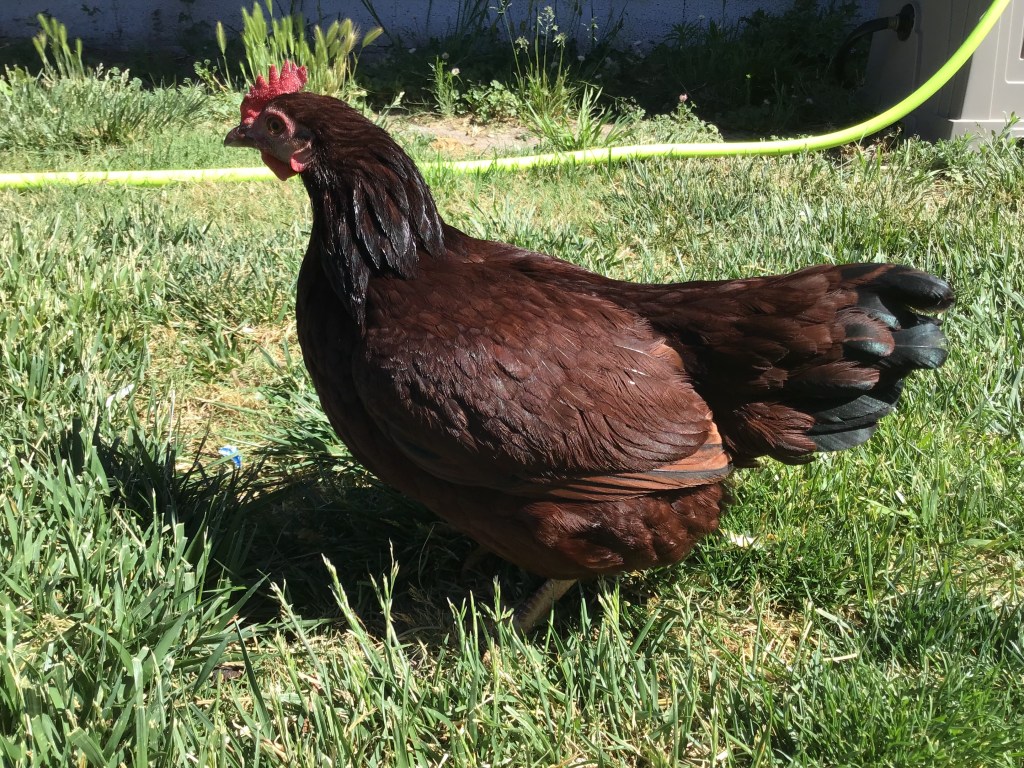
    Both standard and bantam Rhode Island Reds are characterized by their vibrant, deep red plumage, which can have a glossy sheen. They are known for their hardiness, thriving in various climates, including cold regions. Their small single or rose combs help reduce the risk of frostbite in winter.

    Hens are prolific layers, while roosters are typically confident and protective of the flock. Bantam Rhode Island Reds, despite their smaller size, share these same qualities, proving that good things truly come in small packages.

    Preservation of the Breed

    The rise of industrial farming in the 20th century led to a decline in the popularity of heritage breeds like the Rhode Island Red. Many small farms opted for hybrid breeds designed for factory-style production, threatening the genetic diversity of traditional breeds.

    Fortunately, dedicated breeders and enthusiasts have worked to preserve both the standard and bantam varieties of Rhode Island Reds. Today, these birds are prized not only for their historical significance but also for their role in sustainable agriculture and backyard farming.

    Conclusion

    The Rhode Island Red’s development is a story of ingenuity and dedication, combining traits from multiple breeds to create one of the most versatile and enduring chickens in the world. The bantam variety adds to this legacy, offering a compact version of the breed that retains all its hallmark qualities. From its humble beginnings in New England to its recognition as a global poultry icon, the Rhode Island Red continues to thrive as a testament to the art of selective breeding and the resilience of heritage livestock.

    By embracing and celebrating both the standard and bantam Rhode Island Reds, we ensure that this remarkable breed remains a vibrant part of agricultural and backyard traditions for generations to come.
  • A Beginner’s Guide to Rhode Island Reds

    A Beginner’s Guide to Rhode Island Reds

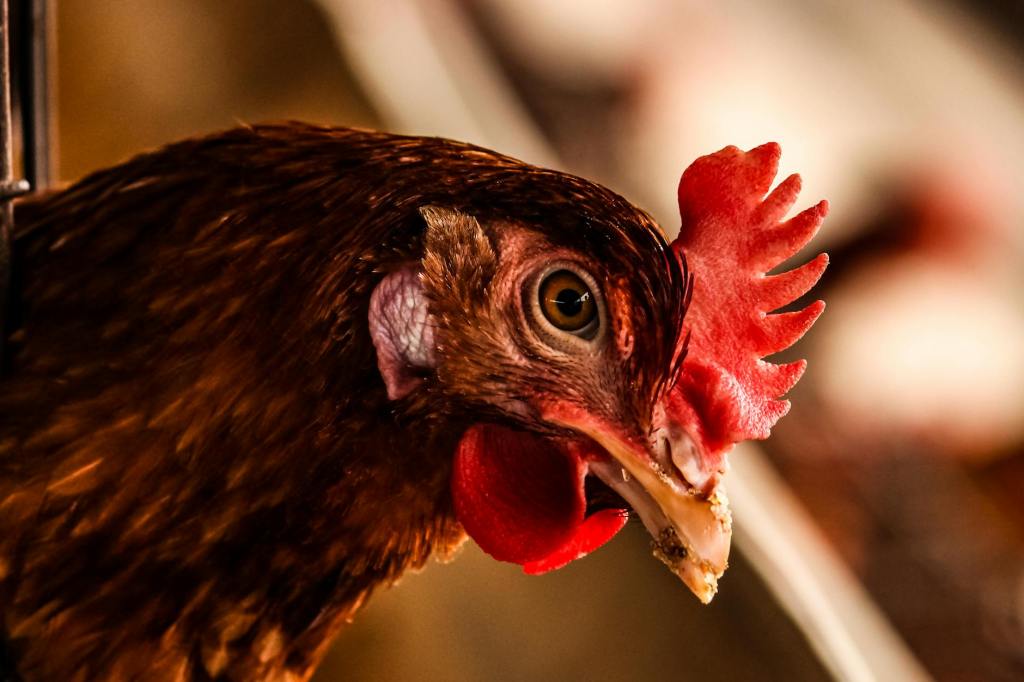
    Rhode Island Reds are a beloved and iconic chicken breed, known for their hardiness, productivity, and friendly nature. Whether you’re starting your backyard flock or diving into poultry raising for the first time, Rhode Island Reds are an excellent choice for beginners. Here’s what makes them unique and how to care for them.

    Why Choose Rhode Island Reds?

    Originating in the late 1800s, Rhode Island Reds were bred for dual purposes: egg-laying and meat production. Today, they are primarily known for their impressive egg-laying capabilities, producing around 250–300 brown eggs per year. Their rich red plumage and calm temperament make them a favorite for families and hobby farmers alike. Plus, they’re hardy birds that can adapt to a variety of climates, making them a practical choice in most regions.

    Housing and Space Requirements

    Rhode Island Reds are active and curious, so providing adequate space is essential. Each bird requires at least 4 square feet of indoor coop space and 10 square feet of outdoor run space. They are excellent foragers, so letting them free-range when possible will keep them entertained and healthy. Be sure their coop is predator-proof and well-ventilated, as Rhode Island Reds are vigorous but still benefit from a clean, dry environment.

    Feeding and Nutrition

    To keep your Rhode Island Reds productive, feed them a high-quality layer feed that contains at least 16% protein. They also benefit from calcium supplements, such as crushed oyster shells, to ensure strong eggshells. These chickens love treats like mealworms, vegetable scraps, and fruits, but avoid feeding them onions, garlic, or chocolate, as these can harm their health.

    Behavior and Personality

    Rhode Island Reds are friendly but assertive, making them a great addition to a mixed flock. Hens are typically calm and easy to handle, while roosters are protective and can be territorial. Their confidence and independence make them low-maintenance compared to other breeds, but regular interaction will keep them sociable.

    Unique Characteristics

    One standout feature of Rhode Island Reds is their cold hardiness. They have small combs, which reduce the risk of frostbite in colder climates. They’re also known for their resilience to common poultry diseases, making them an ideal breed for beginners who might not yet have extensive poultry care experience.

    Conclusion

    Rhode Island Reds are a fantastic choice for beginners due to their adaptability, productivity, and low-maintenance care requirements. With proper housing, nutrition, and attention, these birds will reward you with a steady supply of eggs and delightful companionship. Whether you’re starting a small backyard flock or adding to an established coop, Rhode Island Reds are a breed that’s sure to thrive.

  • Your Rhode Island Red Intro

    Your Rhode Island Red Intro

    The Rhode Island Red is a complex breed that I am very excited to start sharing about on the site. I am looking forward to providing all those enthusiast and showmen out there with the information they want in one website.

    Please Leave Comments on what you would like to know. : )